Category: Safari Guides | Reading Time: 5 minutes
When travellers think of African safaris, Kenya and Tanzania often come to mind first. But tucked away in western Uganda lies a hidden gem that rivals the best wildlife destinations on the continent – Queen Elizabeth National Park.
As Uganda’s most visited national park, Queen Elizabeth offers something unique: an extraordinary diversity of ecosystems packed into a relatively compact area. From sprawling savannah plains to crater lakes, lush forests to the famous Kazinga Channel, this park delivers a safari experience that feels both classic and refreshingly different.
Here’s why we believe Queen Elizabeth deserves a top spot on your Uganda travel itinerary.
A Landscape Like No Other
What makes Queen Elizabeth truly special is its geographical variety. The park spans approximately 1,978 square kilometres, encompassing a stunning range of habitats. The eastern section features dramatic crater lakes formed by volcanic activity millions of years ago. The western edge borders the Kazinga Channel, a natural waterway connecting Lake Edward and Lake George that acts as a magnet for wildlife. To the south, the Ishasha sector offers open woodlands where lions have developed a rare and fascinating behaviour – climbing trees.
This diversity means that in just a few days, you can experience entirely different safari environments without spending hours on the road.
Wildlife Encounters That Rival East Africa’s Best
The Big Game
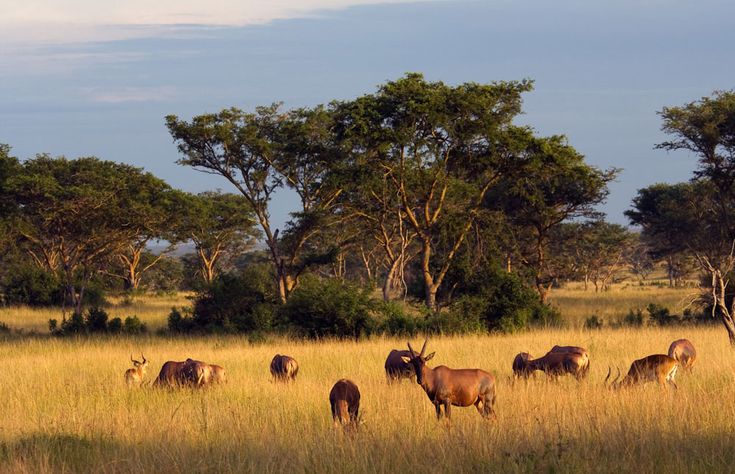
Queen Elizabeth is home to over 95 mammal species. The Kasenyi Plains are renowned for their large herds of Uganda kob – an antelope species endemic to the region – and the predators that follow them. Lions are frequently sighted here, often in prides of 10 to 15 individuals. Leopards are more elusive but present, and hyenas can often be heard calling at night.
The park also supports a healthy population of African elephants, known for their large size and impressive tusks. Herds of Cape buffalo roam the grasslands, while warthogs scurry across the tracks with their tails held high.
The Tree-Climbing Lions of Ishasha
Perhaps the park’s most famous residents are the tree-climbing lions of the Ishasha sector. This behaviour is rare among lions worldwide – only a few populations are known to regularly lounge in fig and acacia trees. Scientists believe it may be an adaptation to avoid biting insects on the ground or to catch cooler breezes. For visitors, it offers an unforgettable sight: massive predators draped across branches, occasionally dangling a paw lazily.
The Kazinga Channel Boat Cruise
If there’s one activity that defines a Queen Elizabeth safari, it’s the boat cruise on the Kazinga Channel. This 40-kilometre waterway is one of the densest concentrations of hippos in Africa, with hundreds visible along the banks at any given time. Nile crocodiles bask in the sun, elephants come to drink and bathe, and over 600 bird species have been recorded in the area. The boat trip offers a completely different perspective from game drives and often provides the closest encounters with wildlife.
Beyond the Wildlife: Crater Lakes and Cultural Encounters
The park’s crater lake area is a geological wonder. More than 70 volcanic craters dot the landscape, many filled with water and surrounded by lush vegetation. Nyamunuka Crater Lake – known locally as “the smelly lake” due to its sulphuric waters – is particularly interesting. Local guides will tell you that elephants travel long distances to bathe here, using the mineral-rich water to treat wounds and soothe aching muscles.
Nearby, Katwe Salt Lake offers a glimpse into traditional salt mining. Local communities have extracted salt from this lake for centuries, using methods passed down through generations. A visit here provides insight into how people have coexisted with the park’s resources for hundreds of years.
Practical Information for Your Visit
Best Time to Visit
The dry seasons – from June to September and December to February – offer the best wildlife viewing conditions. Animals congregate around water sources, making them easier to spot, and roads are more accessible. The wet seasons bring lush scenery, fewer crowds, and lower accommodation rates, though some tracks may become challenging.
Getting There
Queen Elizabeth is approximately a 6 to 7-hour drive from Kampala or Entebbe. The journey itself is scenic, passing through rural communities, tea plantations, and the rolling hills of western Uganda. For those short on time, charter flights can be arranged to the park’s airstrip.
Where to Stay
The park offers accommodation options for every budget. Budget travellers will find comfortable options like Simba Safari Camp, while mid-range seekers enjoy properties like Buffalo Safari Lodge or Twin Lakes Safari Lodge. For those seeking luxury, several high-end lodges offer premium experiences.
How to Make the Most of Your Safari
Plan for at Least Two Full Days
While a single day in Queen Elizabeth can yield incredible sightings, we recommend at least two full days to experience the park’s diversity. One morning game drive in Kasenyi, one afternoon boat cruise on the Kazinga Channel, and a drive through the Ishasha sector will give you a well-rounded experience.
Book Activities in Advance
Boat cruises and guided game drives can fill up during peak season. Booking ahead ensures you secure your preferred times and don’t miss out.
Bring the Right Gear
A good pair of binoculars is essential. For photographers, a telephoto lens of at least 200mm is recommended for wildlife shots. Neutral-coloured clothing helps you blend in, and layers are important – mornings and evenings can be surprisingly cool.