Category: Safari Guides | Reading Time: 5 minutes
When travellers think of African safaris, the bustling parks of the south often come to mind. But tucked away in the rugged northeastern corner of Uganda lies a hidden gem that rivals the most iconic wildlife destinations on the continent – Kidepo Valley National Park.
As Uganda’s most isolated wilderness, Kidepo offers something truly unique: a vast, prehistoric landscape that feels like Africa at its most primal. From the jagged peaks of Mount Morungole to the expansive Narus Valley, this park delivers a safari experience that is raw, quiet, and profoundly beautiful.
Here’s why Kidepo Valley deserves a top spot on your Uganda travel itinerary.
A Landscape Like No Other
What makes Kidepo truly special is its dramatic scenery. The park spans approximately 1,442 square kilometres, dominated by two major valley systems: the Narus and the Kidepo. While the Narus Valley is lush and serves as a permanent water source, the Kidepo Valley is a dry, sandy bed lined with Borassus palms, feeling more like a desert oasis. This geographical contrast means you can witness a wide variety of species in a single afternoon.
Wildlife Encounters That Rival East Africa’s Best
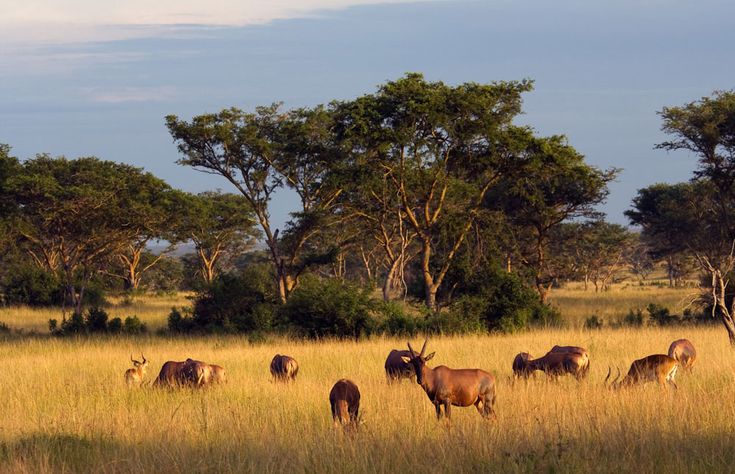
The Big Game Kidepo is home to several species found nowhere else in Uganda. The Narus Valley is the park’s heartbeat, where massive herds of Cape buffalo—sometimes numbering over 1,000—roam the plains. It is also one of the best places in East Africa to spot lions lounging on the granite outcrops (kopjes) that dot the valley floor. Cheetahs, which are absent from all other Ugandan parks, are a highlight here, alongside leopards and spotted hyenas.
The Giants of the North The park supports a healthy population of elephants and giraffes, specifically the Rothschild’s giraffe. Unlike the denser forests of the west, the open savannah of Kidepo allows for incredible, unobstructed sightings of these giants against the backdrop of the blue-hued mountains.
Cultural Encounters: The Ik and Karamojong Beyond the wildlife, Kidepo offers a rich cultural experience. The nearby Karamojong communities live in traditional “manyattas” and have maintained a pastoral lifestyle for centuries. For those willing to hike Mount Morungole, a visit to the Ik people—one of the smallest and most isolated ethnic groups in Africa—provides a rare glimpse into a culture that has remained largely untouched by the modern world.
Practical Information for Your Visit
Best Time to Visit The dry season (September to March) is ideal for wildlife viewing, as animals congregate around the limited water points in the Narus Valley. The wet season (April to August) transforms the park into a vibrant green paradise, which is spectacular for photography and birdwatching, though some roads can become difficult.
Getting There Kidepo is approximately a 10 to 12-hour drive from Kampala. The journey is an adventure in itself, passing through the heart of the Karamoja region. For those preferring speed, scheduled or charter flights from Entebbe to the Lomej airstrip take about 1.5 to 2 hours.
Where to Stay Accommodation ranges from the high-end luxury of Apoka Safari Lodge to mid-range options like Kidepo Savannah Lodge. For the more adventurous, UWA bandas and campsites offer a close-to-nature experience.